Troubleshooting a Noisy CPAP Machine: Stop Whistles, Leaks & Disruptive Sounds
Continuous positive airway pressure (CPAP) machines are used in the management of sleep apnea and other breathing disorders. They are highly effective and can help reduce and alleviate the symptoms of sleep apnea and other similar disorders. The benefits of a CPAP machine are endless however, sometimes you may experience some troubleshooting.
One of the common issues patients face with a CPAP machine is noise. Many users experience sounds like whistles, whooshes, or humming from their CPAP device or mask, which can disrupt sleep quality and comfort.
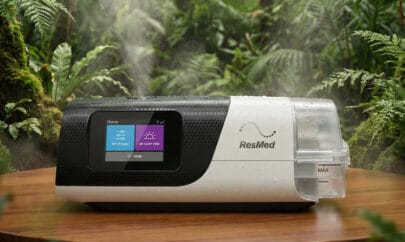
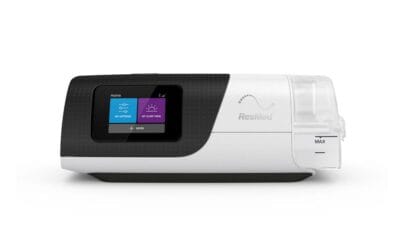
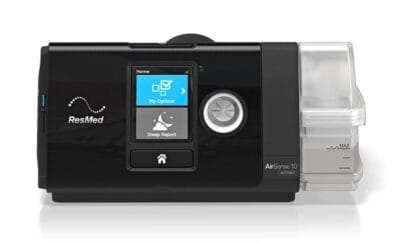
Understanding why your CPAP machine or mask makes noise when you inhale or produces a persistent whistling sound is essential for effective and peaceful therapy. Modern CPAP machines, such as the ResMed AirSense, are designed to operate quietly. However, noises can arise from issues like mask leaks, improper fit, older equipment, or buildup in filters and tubing. If you’re wondering why does my CPAP make noise when I inhale, examining these potential causes is a good starting point.
Whether your CPAP machine sounds like Darth Vader or you hear a high-pitched whistle when you inhale, these noises often indicate common problems that can be resolved. This guide will help you identify noise sources, understand why your CPAP mask is whistling or leaking, and provide practical solutions on how to stop CPAP mask whistling and restore quiet therapy.
Proper maintenance, fit adjustments, and timely replacement of parts are key to keeping your CPAP therapy effective and noise-free. Whether dealing with a noisy CPAP mask, wondering if a CPAP machine is loud, or dealing with a ResMed CPAP that makes noise when inhaling, you’ll find actionable tips here to regain the calm you need for restful sleep.
Assessing the Type of Noise
The first step in troubleshooting a noisy CPAP machine or mask is to identify the type of sound your machine is making. Is it a steady whoosh, a high-pitched whistle, a gurgling noise, or perhaps occasional pops? Different noises often point to different causes.
A constant whoosh is the normal sound of air flow, while a CPAP mask whistling typically signals an air leak. Some subtle sounds, like a whistle when you inhale, may be related to the mask’s fit or pressure settings, especially in advanced machines with pressure relief features such as A-FLEX or EPR. Leaks and improper seals are the most common cause of whistling noises.
Older machines or those with motor wear might produce humming or vibrating sounds, often louder than 26-30 decibels, which is the normal noise range for modern quiet CPAPs.
Checking Mask Fit and Position
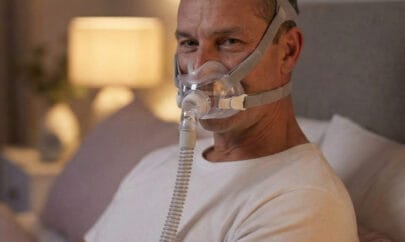
Mask fit is one of the most common culprits behind noisy CPAP therapy. Even slight misalignment or an improperly sized mask can cause air to leak between your face and the mask’s seal, resulting in that irritating CPAP mask leaking air and making whistling or “farting” noises.
Carefully inspect how your mask sits: the straps should be snug but not overly tight, and the cushion should sit evenly across your face without gaps. Pay special attention to typical leak zones like around the nose bridge, the sides of the nose, or near the mouth if using a full face mask. Adjusting the mask or trying a different size/model can drastically reduce leaks and associated noises.
Inspecting Components for Damage or Wear
Wear and tear is another significant factor in disruptive CPAP sounds. Over time, the mask cushion can crack or stiffen, tubing might develop holes or kinks, and the humidifier chamber can accumulate cracks or mineral build-up. These issues can lead to air leaks or wobbly connections where noise easily develops.
Routine inspection of your gear is critical: check for cracks, tears, or stretched headgear and replace parts according to manufacturer guidelines—typically every 3-6 months for the mask and annually for other components.
Damaged or aged equipment not only increases noise but can also undermine the effectiveness of your CPAP therapy.
Implementing Solutions
Adjusting and Replacing the CPAP Mask
Once you’ve identified that your CPAP mask is whistling or leaking air, the first step is to ensure the mask fits properly. Adjust the headgear straps evenly—not too tight, as overtightening can cause discomfort and leaks, but snug enough to maintain a secure seal. If adjusting the straps doesn’t solve the noise, consider trying a different mask size or style that suits your face shape and sleep position.
Understanding how to keep your CPAP mask from leaking is pivotal for quiet and effective treatment.
Switching to masks that cover less of the face, such as nasal pillow masks, can sometimes help reduce feelings of claustrophobia while minimizing leaks and the resulting noise. Remember, cushions and masks wear out over time, so replacing worn cushions every 3-6 months and the mask itself as needed can effectively eliminate persistent whistling or whooshing sounds.
Refining Machine Settings
Your CPAP machine’s noise can also be affected by its settings. Utilizing features like ramp mode, which gradually increases air pressure to the prescribed level, can make breathing more comfortable and reduce sudden air noises. Some devices also allow you to adjust pressure relief settings, which lower pressure during exhalation and may help reduce noise caused by turbulent airflow.
If your ResMed CPAP is making noise when inhaling, it may be worth consulting with your sleep specialist to optimize the pressure settings or check if an update or mask change is needed for quieter operation.
Maintenance Tips
Regular cleaning and maintenance of your CPAP mask and equipment are essential for minimizing noise. Clean the mask, tubing, and humidifier chamber frequently with mild soap and water to prevent the buildup of oil, dirt, and mineral deposits that can affect airflow and seal quality.
Knowing how to clean a CPAP mask properly ensures an optimal seal and prevents issues like why is my CPAP mask leaking or why does my CPAP mask whistle.
Replace filters as recommended to avoid clogging, which can cause the machine to work harder and become noisier. Also, placing your machine on a stable, vibration-absorbing surface slightly below ear level can help reduce perceived noise. Avoid placing the machine on the floor or carpet, as this can restrict airflow and amplify sound.
With proper care and maintenance, your CPAP device can operate smoothly and quietly, ensuring a better night’s sleep.
Advanced Troubleshooting
Dealing with Persistent Noise
If you have tried adjusting your mask, checking the fit, and maintaining your equipment but your CPAP machine remains noisy, there may be other underlying issues. Persistent noises like whistling, humming, or rattling could suggest more complex issues such as motor wear or internal mechanical faults.
Newer models usually operate quietly, while older machines might be perceived as louder over time.
In such cases, consider these steps:
- Inspect all connections and tubing thoroughly for tiny cracks or loose fittings that may cause escapes of air or vibrations.
- Evaluate humidity settings; excess moisture can cause gurgling noises known as rainout and potentially damage parts.
- Place the machine on a stable, vibration-absorbing surface away from walls or soft bedding to reduce noise amplification.
- Replace filters frequently to prevent airflow restriction that can increase motor noise.
- If symptoms indicate motor or internal wear, think about upgrading to a newer, quieter machine designed with advanced noise-reduction technology.
Seeking Professional Help
If necessary, seek expert assistance. Sleep specialists, respiratory therapists, or CPAP suppliers have the experience to diagnose less obvious causes of noise and recommend appropriate solutions. They can:
- Assess your device’s condition and verify if repairs or replacements are necessary.
- Provide personalized mask fittings or suggest alternative CPAP masks like nasal pillows or full face masks that better suit your anatomy and reduce leak sounds.
- Fine-tune machine pressure and settings to optimize therapy and minimize noise during inhalation and exhalation.
- Educate on cleaning routines and equipment care to maintain quiet, efficient operation over time.
Remember, quiet CPAP therapy is fundamental for restful sleep and overall health. Professional guidance ensures you receive the best tailored advice for your unique sleep apnea needs.
Problem-solving Helps Ensure High-Quality Therapy…and a Good Night’s Sleep
Troubleshooting a noisy CPAP machine or mask involves identifying the source of the noise, adjusting the fit, refining machine settings, and performing regular maintenance. Make sure to inspect for leaks, check the tubing for any damage, and verify a proper power supply. Routine cleaning and seeking professional guidance can also make a significant difference.
By addressing these issues, you can enjoy quieter and more effective therapy. If problems persist, don’t hesitate to contact your healthcare provider for personalized advice. With the right approach, you can restore peace to your sleep and maximize the benefits of your CPAP therapy.