FAA Approved CPAP Machines: What to Know About Air Travel and In-Flight Use
Continuous positive airway pressure (CPAP) machines are used in the management of sleep apnea. If you’re wondering whether your CPAP machine is FAA-approved for air travel, the good news is that most modern CPAP devices, including popular portable CPAP systems, are recognized by the Federal Aviation Administration as medical devices suitable for use on airplanes.
This means you can travel with your CPAP machine with confidence, knowing it meets FAA safety standards and regulations. An FAA-approved CPAP ensures compliance with airline and TSA guidelines, allowing you to use your CPAP therapy during flights without hassle or restrictions.
Traveling with a CPAP machine can feel challenging, but having an FAA-approved device makes the process much easier. You can take it for short domestic trips or an international journey. Most airlines, including American Airlines, allow passengers to bring their CPAP machines onboard, but make sure to check first.
This blog will cover everything you need to know about flying with a CPAP, including TSA rules, airline policies, and tips for using a travel CPAP onboard. With an approved travel CPAP, you can maintain your sleep apnea therapy seamlessly, even at 30,000 feet.
Read on to learn about common concerns, such as “Does a CPAP count as a carry-on?” and “Can you use a CPAP on international flights?” to help you navigate your journey confidently.
FAA Approval for CPAP Devices
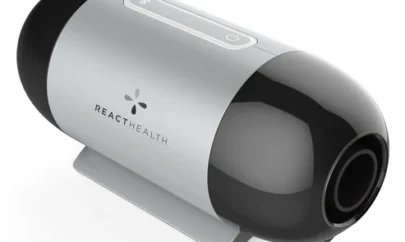
The FAA requires that CPAP machines used during flights comply with specific medical device standards to ensure safety on board. This addresses electromagnetic interference and operational safety. Popular travel CPAP machines such as the ResMed AirMini, Philips DreamStation Go, and Transcend Micro Auto are examples of FAA-cleared devices suitable for in-flight use. It’s important to confirm that your CPAP machine has official FAA approval to avoid any complications when flying.
Airlines recognize these approved devices as medical equipment, allowing you to carry them onboard without impacting your carry-on luggage limit. This means you can confidently carry your CPAP machine on the airplane without worrying about it counting as a regular carry-on bag.
Patients, passengers and crew, who use CPAP machines for obstructive sleep apnea treatment need documented proof of compliance, showing consistent use of the device for a minimum of 6 hours per sleep period on at least 75% of nights. This ensures that the medical condition is well managed, which is important when operating an aircraft or simply traveling safely.
Preparing Your CPAP Machine for Air Travel
Before your trip, it’s essential to prepare your CPAP machine properly. Always carry your device in a dedicated CPAP bag designed for travel to protect it during transit.
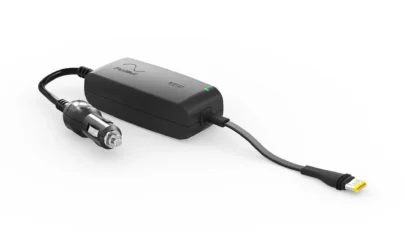
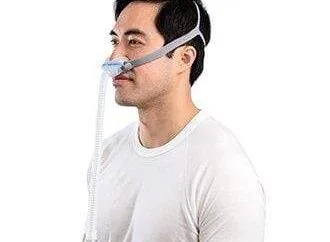
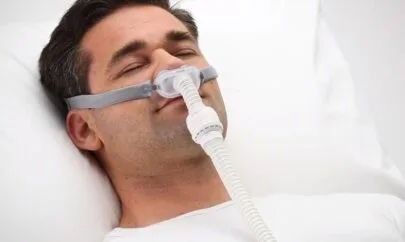
Many travel CPAP machines have compact, lightweight designs and can be used with portable batteries, useful for longer flights or layovers. Investing in a travel CPAP machine with a battery ensures that you can power your device anywhere—even if your seat doesn’t have access to an outlet.
Take the following steps to prepare your machine for your journey:
- Contact your airline at least 48 hours in advance to inform them you will be flying with a CPAP machine and find out if there are any specific requirements.
- Bring a copy of your doctor’s prescription and, if possible, an FAA compliance letter for your CPAP device. This confirms the medical necessity of your device.
- Remove distilled water from your humidifier chamber before boarding, as water spillage can occur due to aircraft turbulence. Some travel CPAP machines offer waterless humidification options.
- Ensure batteries are fully charged before your flight. Bring rechargeable batteries or an external battery pack, as some airlines may not provide power supply for personal medical devices.
- Pack your mask, tubing, and any necessary accessories neatly in your CPAP bag so you can easily remove the machine for TSA screening.
Careful preparation ensures your travel CPAP machine is safe and functional throughout your journey, for uninterrupted sleep apnea therapy.
Navigating TSA Checkpoints with a CPAP Machine
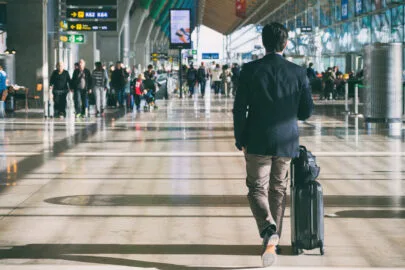
Flying with your CPAP machine is generally straightforward but requires some preparation. TSA agents are familiar with CPAP and similar medical devices and usually ask you to remove the device from its carrying case for screening. To keep your CPAP device clean during this process, place it inside a clear plastic bag. This protects your machine from germs or debris while it is being handled and x-rayed.
Most airlines and the TSA treat CPAP machines as medical devices, so they are allowed as carry-ons without counting toward your normal carry-on limit. When traveling with CPAP machines, this exception is particularly helpful as you can prioritize your other travel essentials in your carry-on luggage.
You should expect to show your machine separately from your other belongings during security screening, and additional inspection may be required, including swabbing for explosive residue. Rest assured, TSA agents are trained to handle medical equipment with care and respect.
Tips for Smooth TSA Interactions
To make the security screening process smoother, here are some helpful tips:
- Use a Medical ID Tag: Attach a medical device ID tag to your CPAP bag. This can help TSA agents quickly recognize your device and increase the likelihood of it being properly handled and returned to you if misplaced during travel.
- Bring Documentation: Carry a copy of your doctor’s prescription or a letter explaining the medical necessity of your CPAP machine.
- Request New Gloves and Bags if Desired: If your CPAP machine undergoes an explosive residue test, you can politely ask the TSA agent to change gloves, use a new swab, or replace the plastic bag after screening for hygiene and peace of mind.
- Plan for Time: Arrive at the airport early, especially if you have additional medical equipment to screen. This can prevent delays later on.
- Inform the TSA Officer: Inform the TSA agent that you are carrying a CPAP machine. TSA offers accommodations for travelers with disabilities or medical conditions and can assist if needed.
By following these guidelines, you’ll minimize delays and keep your CPAP machine safe and hygienic through security checkpoints, allowing you to focus on your journey ahead.
Accessibility and Setup on the Plane
If you are travelling with a CPAP machine then you need to inform the airline ahead of time. Most airlines allow in-flight use of CPAP machines and even offer seats with power outlets if you request them in advance, ideally at least 48 hours before your flight.
If you plan to use your CPAP machine on a long-haul flight, selecting a seat with access to power is essential because many travel CPAP machines rely on electrical outlets or portable batteries for operation. Whether or not you can plug in a CPAP machine depends on the aircraft, so you should confirm this with your airline before flying.
Your CPAP machine should be easily accessible throughout the flight. Place it under the seat in front of you or in your designated carry-on spot. Remember to switch off any humidifiers and activate airplane mode on devices with wireless features before takeoff to comply with airline regulations.
Practical Tips for In-Flight CPAP Usage
Using your CPAP on the plane can greatly improve your comfort and sleep quality. To ensure a smooth experience, follow these practical tips:
- Bring a Portable Battery: Not all aircraft seats have power outlets, so packing a CPAP travel machine with a battery backup ensures uninterrupted therapy. Batteries specifically designed for CPAP machines are compact and can last through long flights. Check Voltage Compatibility: If flying internationally, verify that your CPAP machine supports dual voltage or bring an appropriate adapter. Most modern CPAP devices automatically adjust to different voltages, ideal for international flights.
- Use Waterless Humidification: Some travel CPAP machines offer waterless humidification, which eliminates the need to carry distilled water, avoiding leaks and spillages.
- Keep Your Mask and Tubing Clean: Extra mask cushions or wipes can help maintain hygiene throughout your travel. Keep these accessories organized and protected for convenience.
- Inform the Crew: Let flight attendants know in advance if you will use your CPAP machine. Crew members are usually accommodating and can provide assistance if needed for a stress-free experience.
Following these steps ensures your CPAP therapy continues smoothly on the plane, helping you manage sleep apnea effectively and arrive at your destination well-rested.
Plan Ahead to Ensure You Fly Stress-Free
Traveling with your CPAP machine can be simple and stress-free when you understand the FAA and TSA regulations. Always ensure you use an FAA-approved portable CPAP device, carry it in a dedicated bag, and keep your medical documentation easily accessible.
Good preparation is essential for a smooth process. Make sure to notify your airline in advance to arrange a seat with power access for in-flight CPAP use. When going through TSA screenings, remove your CPAP machine from its case and follow their specific guidelines.
For added convenience, investing in a travel CPAP machine equipped with a battery for uninterrupted therapy during long flights. With a travel CPAP machine you can continue your sleep apnea treatment and enjoy worry-free travel wherever your journey takes you.