How CPAP Bacteria Filters Help Prevent Illness and Protect Your Lungs
How CPAP Bacteria Filters Help Prevent Illness and Protect Your Lungs
Are you dealing with sleep apnea and wondering how to safeguard your lungs while using your CPAP or BiPAP machine? You’re not alone. Many individuals using CPAP therapy worry about bacteria and viruses entering their airways through their devices.
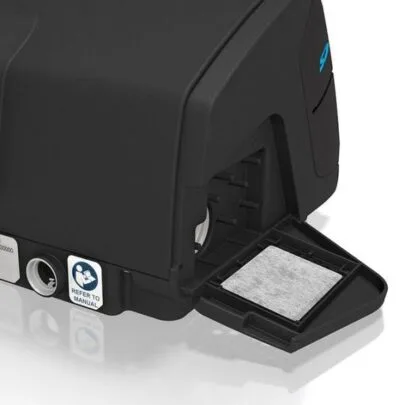
CPAP bacteria filters, also known as inline bacterial viral filters, offer a solution. They are compact and disposable, designed to trap harmful particles before they reach your respiratory system, providing an added layer of protection beyond the machine’s built-in filters.
The air in your bedroom contains dust, mold, pet dander, and bacteria. When pressurized and sent directly into your lungs night after night, this air could aggravate allergies, worsen respiratory conditions, or lead to CPAP machine side effects like lung infections.
High-quality anti-bacterial filters for CPAP machines are a key defense. Studies and user feedback confirm these filters are highly effective, especially for those prone to allergies or chronic lung issues. With materials designed to trap 99% of bacteria and viruses, they offer cleaner air and peace of mind, even if not 100% foolproof.
Proper filtration can reduce symptoms like cough, congestion, or even CPAP bacterial infection symptoms. Protect your lungs and maximize CPAP therapy benefits with these filters. In this article, we will explore their function, benefits, and include maintenance tips in the sections ahead.
How Bacteria Filters Work
CPAP bacteria filters operate by physically trapping harmful microorganisms, including bacteria and viruses, as air flows through them before reaching your airway. These filters are crafted from specialized materials that form a barrier, effectively capturing microscopic particles without affecting the airflow.
The filtration process relies on mechanisms such as mechanical interception, diffusion, and electrostatic attraction. Together, these mechanisms enhance the filter’s ability to block bacterial and viral contaminants. Positioned inline between the CPAP machine and tubing or mask, these filters ensure that the air you breathe during sleep therapy is cleaner and safer.
Types of Filters and Their Efficacy
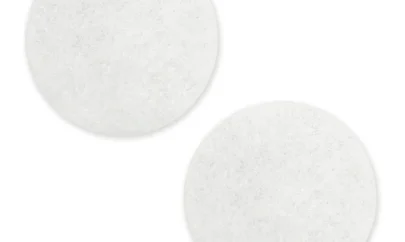
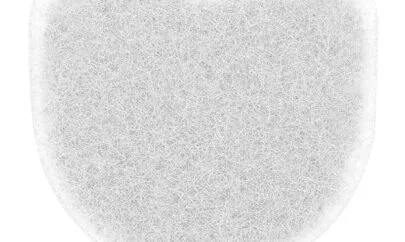
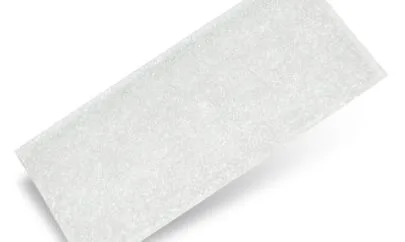
CPAP machines generally use three types of filters: reusable foam filters, disposable filters, and inline bacterial viral filters.
Reusable foam filters are designed to capture larger particles like dust and pollen and require regular cleaning.
Disposable filters are more effective at targeting smaller irritants but may not specialize in blocking bacteria or viruses.
Inline bacterial viral filters are the most effective at filtering microorganisms, often capable of removing 99% or more of bacteria and viral particles. However, although they significantly reduce microbial exposure, inline filters may decrease airflow. This can affect device performance, such as altering the delivery pressure.
For this reason, it is recommended to consult healthcare professionals before incorporating these filters into your therapy routine.
Bacteria filters are disposable and they should be replaced frequently according to manufacturer guidelines to maintain their efficacy and ensure clean, safe air during your sleep apnea therapy.
Benefits of Using CPAP Bacteria Filters in Daily Use
Prevention of Respiratory Infections
Research shows that CPAP bacteria filters are effective at protecting from respiratory infections. CPAP users who do not take extra precautions are at a higher risk for upper airway and respiratory infections, especially if they use humidifiers or fail to clean their equipment regularly. Bacteria and viruses can easily travel straight to your lungs, increasing the risk of infection from CPAP. However, CPAP bacteria filters, particularly the inline bacterial viral types, act as a robust barrier—capturing up to 99.99% of bacterial particles and 99.9% of viruses before they reach your airway. This level of filtration greatly reduces the chance of bacterial infection from CPAP, especially if you have underlying lung conditions or a weakened immune system.
Research also shows that patients who use heated humidifiers but don’t maintain their equipment properly face dramatically higher infection rates than those who do. While the first line of defense is always regular cleaning, adding a bacteria filter for your CPAP machine provides that extra security and safeguards you against CPAP germs and bacteria.
It’s a simple step, but one that can make a significant difference in your overall respiratory health—keeping symptoms like cough, congestion, and infection at bay.
Enhanced Air Quality for Healthier Lungs
Even if you are not worried about respiratory infections, the quality of the air you breathe is important. CPAP bacteria filters not only catch bacteria and viruses, they also capture dust, allergens, mold spores, and other tiny particles that can irritate your lungs and aggravate conditions like asthma or allergies.
For people living in urban environments, homes with pets, or those prone to allergies, these filters are especially valuable. They help deliver clean air you can trust, night after night.
With different types of filters to choose from, you can select the best filter for your machine and personal needs. Inline bacterial viral filters are particularly praised for their high filtration efficiency, making them an excellent choice for anyone seeking maximum protection against both CPAP bacterial infections and environmental irritants. The result?
This will help you sleep better, breathe easier, and reduce the risk of CPAP lung infection or other side effects that might otherwise go unnoticed. Are CPAP bacteria filters worth it? For most users, the answer is a resounding yes. Investing in a quality bacteria filter for your CPAP machine allows you to take proactive care of your respiratory health and enjoy the full benefits of your sleep apnea therapy, uninterrupted by unnecessary health setbacks.
Regular Replacement and Maintenance
It is important to replace your CPAP bacteria filter regularly to ensure you’re always breathing the cleanest air. Most experts recommend replacing disposable and inline bacterial filters every month, or sooner if the filter appears dirty, discolored, or worn. If you live with pets, smoke, have allergies, or reside in a dusty or polluted area, consider replacing bacteria filters for CPAP machines every two weeks to maintain optimal protection.
While some CPAP machines provide reminders for replacement, these are based on general schedules rather than a real-time assessment of filter effectiveness. Therefore, it’s essential not to rely solely on notifications.
Reusable foam filters also require regular attention. Although they typically last 3 to 6 months, they should be cleaned weekly and inspected for wear. If the foam is damaged or losing its shape, it’s time to replace it.
Maintaining a consistent replacement schedule for your CPAP bacteria filter is your best defense against bacteria buildup, ensuring your filter remains effective in your sleep apnea therapy.
Cleaning Techniques
If your filter is reusable, cleaning it is simple but critical. Gently rinse the foam under lukewarm water, then allow it to air dry completely before placing it back into your CPAP machine. Avoid using harsh chemicals or scrubbing tools, as these can damage the filter material and reduce its ability to trap bacteria and particles.
Ensuring the filter dries thoroughly is especially important if you use a humidifier, as excess moisture can diminish filter efficiency and potentially promote mold or bacterial growth.
Disposable and most inline bacterial filters are not designed for cleaning. Once they become dirty or reach the recommended replacement period, simply discard them and install a fresh one. Look for generic outlet bacteria filters or ones compatible with your machine for optimal value and performance. Keeping spare filters on hand makes it easier to adhere to your maintenance routine.
By staying proactive with replacement and cleaning, you can enjoy the maximum benefits of a CPAP bacteria filter, reduce your risk of respiratory issues, and have a cleaner, healthier night’s sleep.
A Small Component with Major Health Benefits
CPAP bacteria filters play a vital role in safeguarding your respiratory health during sleep therapy. By effectively capturing bacteria and viruses, these filters help prevent respiratory infections and improve air quality, thereby enhancing the overall effectiveness of your sleep apnea treatment.
To maintain their efficiency, it’s important to replace these filters regularly—ideally every month. It is a small and replaceable yet powerful component, which cleans the air of dust, allergens and molds. Investing in quality CPAP filters can protect your health and contribute to a safer, more restful sleep experience.
Remember, cleaner air leads to better sleep and lowers the risk of CPAP-related lung infections. Take action today to prioritize your respiratory well-being.