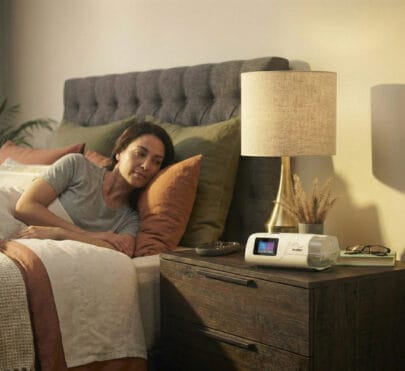
Choosing a BiPAP Machine for High-Pressure Sleep Apnea
Bilevel positive airway pressure (BiPAP) machines are used in the treatment of sleep apnea including obstructive sleep apnea (OSA) and more complex cases (CSA).
A BiPAP machine delivers pressurized air pressure using a machine through a mask to keep the upper airway open during sleep. It is different to other PAP therapy as it offers higher pressure during inhalation to address obstructions and lower pressure during exhalation for easier breathing. This makes it a revolutionary solution for severe sleep apnea or high AHI sleep apnea, where continuous positive airway pressure (CPAP) may not be suitable.
With advanced bipap machine pressure stability and comfort settings, it is designed for those who may struggle with the constant air pressure levels of traditional CPAP devices. You may be prescribed Bipap therapy for pressure intolerance, and enjoy greater comfort and less sleep interruptions at night.
What Is BiPAP and How Does It Work?
BiPAP therapy works using two distinct pressure levels. During inhalation, it delivers a higher IPAP (inspiratory positive airway pressure) to keep your airway open. During exhalation, it offers a lower EPAP (expiratory positive airway pressure) for easier breathing.
The machine connects to a nasal mask or a full-face mask via a hose and works by detecting your breathing or following programmed timing to deliver pressurized air exactly when needed.
BiPAP machines are available in different modes, such as spontaneous (S), where the machine responds to your natural breaths; timed (T), which syncs to a preset breathing rate; and spontaneous/timed (S/T), which provides backup breaths during apneas.
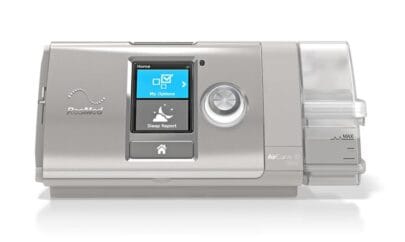
Advanced models, like the ResMed AirCurve VAuto, come with auto-adjusting algorithms to enhance therapy. This ensures stable airway pressure and consistent treatment without causing discomfort.
The Benefits of BiPAP for High-Pressure Needs
For individuals requiring high-pressure support, BiPAP is particularly effective. It makes exhalation easier with integrated bipap machine exhalation relief, reducing the feeling of resistance or discomfort often associated with CPAP therapy, and improves pressure tolerance.
This is especially beneficial for those who may be intolerant to CPAP therapy. BiPAP is highly effective in managing high AHI (apnea-hypopnea index) cases, stabilizing oxygen levels, and addressing complex conditions such as chronic obstructive pulmonary disease (COPD), obesity hypoventilation syndrome, and obstructive sleep apnea (OSA). Choosing a unit with advanced bipap machine comfort algorithms can enhance your therapy experience even when dealing with severe cases.
Research shows that BiPAP therapy results in fewer side effects, better adherence to treatment, and improved ventilation for users needing higher levels of support. With BiPAP, you can breathe more naturally, enjoy deeper sleep, and wake up feeling refreshed and revitalized.
Key Features of a High-Pressure Support BiPAP
Pressure Range and Adjustability
BiPAP machines with a wide pressure range, typically 4 to 30 cm H₂O are very convenient for high-pressure sleep apnea therapy needs and provide precise pressure support. Auto-adjusting options, such as those in the ResMed AirCurve VAuto, dynamically adjust pressures based on your breathing. Also, consider machines with ramp settings (5-45 minutes) to help ease into full therapy and features that ensure pressure stability for consistent delivery.
Features such as bipap machine ramp settings and adjustable bipap pressure support settings are important for optimizing your comfort and adapting quickly to therapy.
Humidification Features
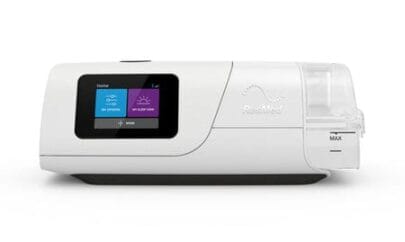
Integrated humidification features, such as heated humidifiers and tubing found in models like the ResMed AirCurve, help prevent dry mouth and nasal irritation during extended high-pressure sessions. These bipap machine humidification features enhance comfort for nightly use by keeping airways moist, reducing side effects, and improving adherence, especially if you require higher pressure settings. Advanced bipap machine comfort features can make a significant difference in long-term compliance.
Data Tracking and Connectivity
Modern BiPAP machines have robust data tracking capabilities, such as monitoring AHI (Apnea-Hypopnea Index), leak rates, and usage hours. They offer apps or wireless connectivity to share insights with your doctor and fine-tune settings. This empowers you to track your treatment progress and identify patterns, such as nights with higher AHI.
Mask Fit and Comfort
BiPAP machines offer many comfort features such as exhalation relief, comfort algorithms, advanced comfort settings, leak management, and low noise levels (below 26 dB) for quiet operation. These ensure seamless therapy without leaks or noise disruptions. Flex technologies, which dynamically lower exhalation pressure, improve pressure tolerance and long-term compliance. Also, enhanced bipap machine leak management ensures uninterrupted therapy.
More Considerations When Selecting a BiPAP Machine
Noise Level
Even top BiPAP machines differ in their noise level. Many operate at a noise level of 25-30 decibels, which is comparable to a whisper or the gentle hum of a fan. This is significantly quieter than disruptive snoring, which exceeds 40 decibels. Leading models such as the React Health Luna G3 25A BiPAP (26 dBA), ResMed AirCurve 11 (25 dBA), ResMed AirCurve 10 VAuto (26.6 dBA), and Devilbiss IntelliPAP Auto Bi-level (26 dBA) are designed to minimize disturbance. These machines use advanced motors and sound-dampening technologies to ensure uninterrupted sleep for both you and your partner.
Portability and Travel Compatibility
For those with on-the-go lifestyles, compact BiPAP machines weighing under 3 lbs are ideal. Travel-friendly options have FAA approval, battery compatibility, and universal power supplies, for dependable sleep apnea therapy while traveling, whether you’re abroad or on a road trip. Lightweight designs make it easy to maintain your therapy routine wherever you go.
Insurance and Cost
Insurance often covers BiPAP machines for individuals with qualifying OSA diagnoses, particularly for those with high apnea-hypopnea index (AHI) scores or unsuccessful CPAP trials. This coverage can significantly reduce costs, which typically range from $1,000 to $3,000, to more manageable copays.
Be sure to check your Medicare or private insurance plans for details on rentals versus purchases. Also, consider warranties (usually lasting 2-5 years), bundled packages that include masks, and purchasing from authorized dealers to maximize value while ensuring quality.
Talk to Your Doctor – and Take the First Step
For patients with sleep apnea requiring high-pressure support, a BiPAP machine provides bilevel therapy for less side effects, enhanced comfort and uninterrupted sleep. These machines offer wide pressure ranges, humidification, quiet operation, and data tracking. They are ideal for those with CPAP intolerance but still require high pressure support.
The key features of BiPAP include adjustability, bipap machine leak management, portability, and insurance coverage to ensure consistent use and achieve transformative results such as improved oxygenation, fewer complications, and restful sleep. Prioritizing units with bipap machine advanced comfort features guarantees a more tailored and pleasant therapy experience.
Speak to your doctor today, explore models like the ResMed AirCurve, and take the first step toward reclaiming your nights for more vibrant, energized days. Your journey to better breathing and health starts now.