Best APAP Masks for Side Sleepers
If you’re a side sleeper with sleep apnea, you must follow recommendations from doctors regarding masks.
They recommend sleeping toward the edge of the bed pillow, which helps to prevent the bed pillow from making contact with the mask – and possibly breaking the seal.
Also, if you’re a side sleeper, selecting the right APAP mask is key to ensuring both comfort and effective therapy. Masks designed for side sleeping offer features like a snug yet flexible fit, reduced air leaks, and lightweight construction, making them ideal for your sleep position.
The best APAP masks for side sleepers often prioritize soft materials, adjustability, and minimal headgear to enhance convenience and long-term compliance.
These specialized masks address common challenges such as mask displacement and pressure points, which are more likely to occur when sleeping on your side. For many, quiet APAP masks with low-leak designs make all the difference in sleeping undisturbed through the night.
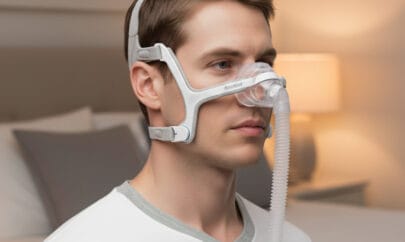
Side sleeping is often recommended to lower the frequency of apnea events, so it is vital to choose an APAP mask that supports this posture. Options like nasal pillow masks or those with minimal headgear enhance comfort, maintain a consistent seal, and reduce noise and air leaks during the night. Nasal APAP masks for side sleepers, such as the ResMed AirFit N30, offer a great balance of comfort and functionality.
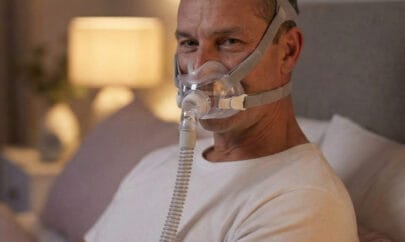
By understanding how different mask designs cater to side sleepers, you can find one that suits your facial structure and sleep habits, improving sleep quality and therapy effectiveness. For example, those looking for memory foam features might consider options like the ResMed AirTouch F20 full face mask.
Overview of Mask Types Suitable for Side Sleepers
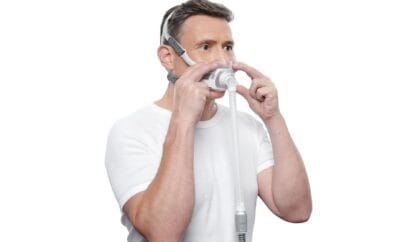
When selecting mask options for side sleepers, the most suitable types are typically nasal pillow masks and nasal masks. Nasal pillow masks are favored for their compact and lightweight design, which fits just inside the nostrils. This provides a secure seal with minimal facial contact.
Their streamlined design minimizes bulk and allows for greater freedom of movement, making them ideal for side sleepers and those who change positions frequently during the night.
Nasal masks, which cover the nose but not the mouth, are another excellent choice. They offer slightly more coverage than nasal pillows and are often better suited for individuals who require moderate pressure settings.
Although nasal masks are somewhat larger, many are designed with low-leak features and cushioning that enhance comfort for side sleepers without adding unnecessary bulk. They are especially effective for individuals needing higher pressure settings while ensuring that air leaks are minimized.
These options make them some of the best APAP masks for side sleepers who value both effectiveness and comfort in their sleep therapy.
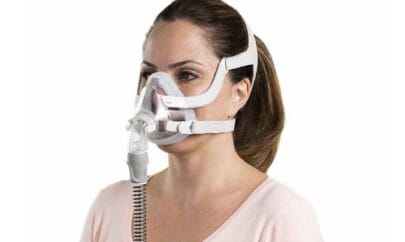
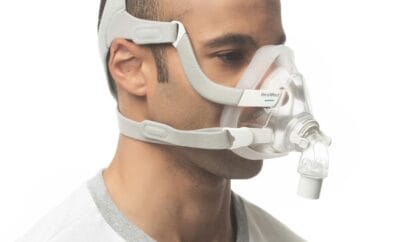
Full face masks, which cover both the nose and mouth, are generally less ideal for consistent side sleeping due to their larger size and more extensive headgear. These factors can increase the likelihood of air leaks and discomfort when the face presses against a pillow.
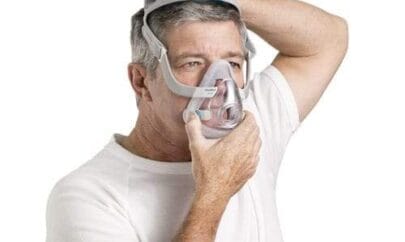
However, some side sleepers who primarily breathe through their mouths may find specialized full face masks, such as the ResMed AirTouch F20 with memory foam cushions or other APAP mask options for active sleepers, to be suitable alternatives.
Design Features to Look for in APAP Masks
- Minimal headgear: Masks with less bulky straps reduce pressure on the face and ears when lying on your side, improving overall comfort throughout the night. APAP masks with minimal headgear are particularly recommended for those who prefer a less intrusive setup.
- Lightweight materials: Masks made with soft silicone cushions or memory foam components are lighter, preventing discomfort and allowing more natural movement during sleep. Lightweight APAP masks like the ResMed AirFit N30 nasal mask stand out in this regard.
- Compact cushion design: Smaller cushion sizes help reduce the risk of mask displacement or air leaks caused by pillow contact, which is especially important for side sleeping positions.
- Adjustability: Adjustable headgear and straps enable you to customize the fit, ensuring a secure seal without excessive tightness. This minimizes air leaks and reduces skin irritation. Consider masks optimized for APAP mask fit for side sleepers to ensure a tailored experience.
- Quiet operation: Masks designed for quiet performance enhance sleep quality, particularly for side sleepers who may find escaping air noises more noticeable when their face is close to the pillow. Quiet APAP masks reduce disruptions for both the user and sleeping partners.
- Hose positioning: Some masks feature hose connections at the top of the head or with swivel designs to prevent tugging and allow greater freedom of movement while sleeping on your side. This is a key feature for active side sleepers.
Design Features to Look for in APAP Masks
For side sleepers, the design of the mask is essential for ensuring both comfort and therapy effectiveness. Key design features to consider include:
- Minimal headgear: Masks with less bulky straps reduce pressure on the face and ears when lying on your side, improving overall comfort throughout the night.
- Lightweight materials: Masks made with soft silicone cushions or memory foam components are lighter, preventing discomfort and allowing more natural movement during sleep.
- Compact cushion design: Smaller cushion sizes help reduce the risk of mask displacement or air leaks caused by pillow contact, which is especially important for side sleeping positions.
- Adjustability: Adjustable headgear and straps enable you to customize the fit, ensuring a secure seal without excessive tightness. This minimizes air leaks and reduces skin irritation.
- Quiet operation: Masks designed for quiet performance enhance sleep quality, particularly for side sleepers who may find escaping air noises more noticeable when their face is close to the pillow.
- Hose positioning: Some masks feature hose connections at the top of the head or with swivel designs to prevent tugging and allow greater freedom of movement while sleeping on your side.
By prioritizing these design features, you can choose APAP masks that deliver both comfort and effective therapy for side sleeping. This helps minimize common issues such as air leakage and discomfort, ensuring a better night’s sleep. For added personalization, evaluating APAP mask reviews for side sleepers can help narrow down your best-fit options.
Best APAP Masks for Side Sleepers
Nasal Pillow Masks: Light and Comfortable
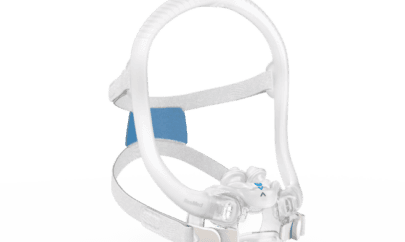
are a popular choice for side sleepers due to their lightweight and low-profile design, which minimizes facial contact. A great example is the ResMed AirFit™ P30i, known for its under-the-nose nasal pillows and top-of-head hose connection that allows more freedom of movement during sleep. Its compact frame and minimal headgear fit snugly, reducing bulk and helping maintain a secure seal even when sleeping on your side.
These features make it one of the best APAP mask options in 2025 for users seeking minimal intrusion during therapy.
This design helps reduce air leaks and ensures comfort even with frequent position changes during sleep. Another excellent option is the ResMed AirFit P10, celebrated for being one of the quietest and lightest nasal pillow masks. It features a dual-wall cushion that enhances the seal while allowing natural head movement without creating pressure points. For those seeking the most comfortable APAP masks for side sleepers, the AirFit P10 remains a top contender.
Nasal Mask: Secure and Less Invasive
For those seeking slightly more coverage with minimal invasiveness, nasal masks offer a balanced solution. The ResMed AirFit N30 is an excellent choice with its triangular design that covers only the nose. It provides a secure fit with adjustable headgear, reducing bulk on the sides of the face. These masks are ideal for users who need slightly higher pressure than nasal pillows can provide, without resorting to full-face coverage that may feel restrictive for side sleepers. Reviews often rank it among the top-rated APAP masks for side sleepers thanks to its innovative design.
Full-Face Mask: Best for High-Pressure Settings
For side sleepers requiring higher pressures or those who breathe through both their nose and mouth,full-face masks are excellent options despite their larger profiles. The ResMed AirTouch F20 is a standout, featuring a memory foam cushion that molds comfortably to the face. This ensures a secure seal even at high pressures while alleviating common discomforts associated with full-face masks.
Ensuring a Good Fit: Tips for Side Sleepers Using APAP Masks
To get the most out of your APAP therapy, especially as a side sleeper, properly adjusting your mask is essential. Start by ensuring the mask cushion sits securely and evenly on your face without causing pressure points. Adjustable headgear straps allow you to customize the fit, preventing the mask from shifting or becoming loose when you change positions during the night.
Tips for using APAP masks on your side include practicing an even adjustment of the headgear and trying different sleep positions to perfect the fit.
Avoid overtightening, as this can lead to discomfort and skin irritation. Instead, aim for a snug, stable fit that holds the mask firmly in place but still feels comfortable.
Another useful tip is to pay attention to the positioning of the hose. Some APAP masks feature hose connectors at the top of the head or include swivel designs that prevent the hose from tugging or pulling when you move.
This design reduces mask displacement and keeps air leaks to a minimum, which is especially important for active side sleepers. Understanding how to prevent APAP mask air leaks while side sleeping can dramatically improve the effectiveness of your therapy and overall sleep quality.
Maintaining Your APAP Mask
Regular maintenance of your APAP mask is key to preserving its fit and function. Masks with replaceable cushions or memory foam pads, such as some full-face or nasal masks, require periodic replacement to ensure a proper seal and ongoing comfort. APAP mask cushion replacement varies depending on usage, but following manufacturer guidelines ensures effectiveness and durability throughout usage.
Cleaning your mask daily using mild soap and warm water helps prevent the buildup of oils and dirt that can degrade the mask cushion and cause leaks.
Inspect your mask’s headgear and straps regularly for signs of wear or stretching, as worn-out headgear can compromise the fit and lead to more frequent air leaks. Replacing these components as recommended by the manufacturer sustains the mask’s effectiveness and comfort over time. Additionally, using dedicated CPAP pillows designed with mask cutouts can further protect your mask setup, help reduce pressure on the face, and maintain proper alignment while side sleeping.
Finding Your Ideal APAP Mask for Restful Sleep
Choosing the right APAP mask is important for side sleepers to ensure comfort, achieve a proper fit, and minimize air leaks that could interfere with therapy. Nasal pillow and nasal masks typically offer an excellent balance of lightweight design and secure fit, while hybrid and full-face masks are ideal for those requiring higher pressure or additional support for mouth breathing.
Be sure to adjust your mask carefully and maintain it regularly to guarantee ongoing comfort and optimal effectiveness. Focusing on these factors will help you enjoy restful sleep and fully benefit from your APAP machine.
Take the time to explore your options and consult with a sleep specialist to discover the mask that best meets your needs.