How APAP Pressure Algorithms Work for Sleep Apnea
Automatic positive airway pressure (APAP) machines are a type of PAP therapy, used in the management of sleep apnea. They take air from the environment, pressurize it, then deliver it through a mask into your nose or mouth to keep your upper airway open while you sleep. They are designed to automatically change air pressure levels according to your breathing patterns, to provide a tailored treatment for your individual breathing needs.
APAP is a popular alternative to continuous positive airway pressure (CPAP) therapy which although highly effective, delivers air at a constant pressure through the night which has its own limitations.
Overview of APAP Technology
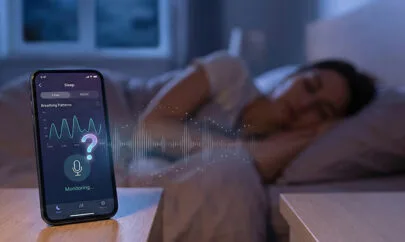
APAP machines are an intelligent companion for sleep apnea patients. They use complex algorithms to adapt to the patients varying air pressure needs throughout the night. This is done using advanced sensors to detect changes in airflow during sleep. When airflow is reduced the machine increases air pressure delivery and once the patient’s breathing normalizes, the machine lowers the air pressure to the minimum necessary level.
This adaptability makes PAP therapy more natural and comfortable, as it adjusts to factors like your sleep position, sleep stage, or even weight changes, without requiring manual intervention. This ensures your airway stays open and enhances comfort during sleep apnea treatment.
Components of an APAP Machine
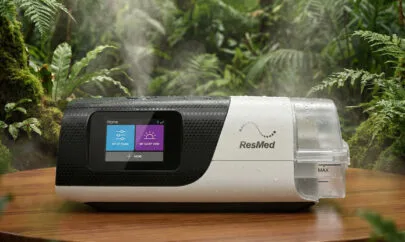
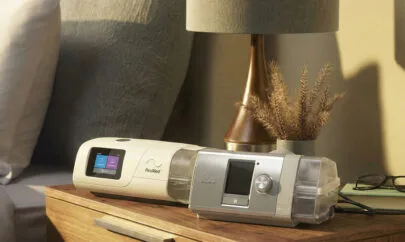
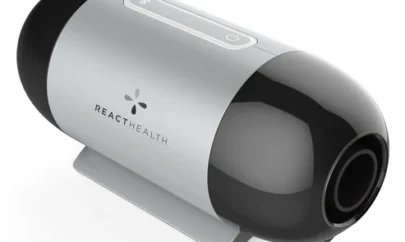
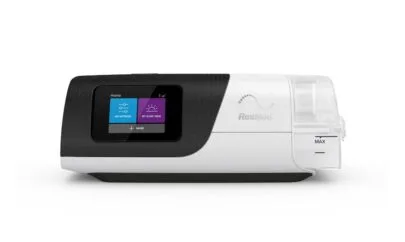
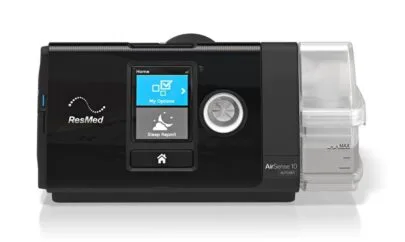
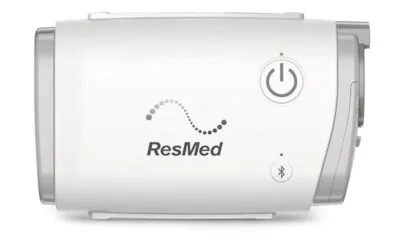
Every APAP machine features a compact blower unit equipped with sensors to monitor airflow. These sensors identify issues such as snoring or flow limitations and make precise adjustments to the pressure as needed. The machine also includes a flexible hose to deliver pressurized air, a comfortable nasal mask or face mask, to secure the airflow, and often a humidifier to prevent dryness and side effects like nasal irritation.
These components work together to create a complete PAP (Positive Airway Pressure) system. Some models include additional features like expiratory pressure relief, which makes it easier to exhale against the airflow. This promotes greater comfort and ease.
How APAP Algorithms Adjust Pressure
Real-time Monitoring and Adjustments
Your APAP machine continuously monitors your breathing (known as the estimated patient flow) to identify apneas, hypopneas, snoring, and flow limitations. This allows tailored adjustments in response to changing conditions.
The algorithm relies on inputs such as filtered flow, measured pressure, and a snore detector which are often identified as vibrations in the pressure signal. When the device detects reduced airflow or signs of obstruction, most APAP algorithms incrementally increase pressure, by 0.5–3 cm H2O, until the issue resolves. Once the airflow reaches a normal level, the algorithm gradually lowers the pressure toward the machine’s minimum setting to enhance user comfort.
Different models work in different ways. Some APAP machines make very small, frequent adjustments, by 0.2 cm H2O steps, while others use larger, less frequent changes to find the optimal pressure. In this way, APAP pressure adjustment provides an individually tailored treatment plan for your needs, efficient and intuitive through APAP pressure logic explained.
Algorithm Sensitivity and Sleep Stages
APAP algorithms are calibrated to be sensitive enough to detect obstructive events while ignoring non-respiratory disturbances, such as coughing, swallowing, mouth-breathing, or unintentional mask leaks, which could otherwise lead to inappropriate pressure adjustments.
Airway flow changes depending on sleep stage and body position, and APAP algorithms are designed to adapt accordingly. This includes during REM sleep or when you shift from lying on your back side. The device may raise pressure more quickly in response to flattened inspiratory flow curves or increased snore vibrations. It then reduces pressure once breathing becomes normal again.
Many APAP devices also include safeguards which limit pressure increases beyond a set level. Additionally, they may pause pressure escalation if leaks are detected, ensuring therapy remains effective and comfortable.
Personalization of Therapy
APAP machines provide a highly tailored treatment plan, adjusting support for every breath. It delivers lower pressures during calm non-REM sleep and increases support only when necessary, such as during REM-related risks. This is unlike the CPAP machine, which operates with a one-size-fits-all approach.
The automatic pressure adjustment customizes therapy by adapting to unique factors like weight changes or evening alcohol consumption. This often reduces the average pressure by 10-40% while still addressing peak needs effectively, improving comfort and encouraging long-term adherence for many users.
Adapting to Different Sleep Conditions
Whether you’re lying on your back, which can lead to more obstructive events, or shifting to your side for easier breathing, the APAP pressure algorithm adjusts accordingly. With APAP pressure flow limitation detection, it ensures higher support for position-dependent airway collapse or alcohol-related airway laxity, avoiding excessive pressure during stable moments.
APAP machines also recognize sleep stage transitions, such as the increased vulnerability during REM sleep. This ensures your airway remains open across various conditions, something a fixed continuous positive airway pressure setting might struggle to achieve.
The Impact on Sleep Quality and Apnea Management
By reducing micro-arousals and allowing natural transitions through deep and REM sleep stages, APAP promotes better quality sleep. This leads to reduced daytime sleepiness, increased alertness, and even better blood pressure control for patients with obstructive sleep apnea.
Research shows that APAP vs CPAP pressure differences result in comparable AHI normalization and improvements in quality of life. Many users report transformative vitality due to better quality sleep and improved tolerance to the machine.
The Advantages of APAP Devices
APAP machines are transforming the way sleep apnea treatment is managed. They use advanced smart algorithms to monitor your breathing in real-time, ensuring precise pressure adjustments for apneas, snoring, and flow limitations. This personalized approach goes far beyond fixed CPAP settings, enhancing both comfort and therapy adherence.
APAP machines adapt seamlessly to your sleep stages, body positions, and even changes such as weight fluctuations. By promoting better quality sleep, they reduce daytime fatigue, improve sleep quality, and may even support better blood pressure control. Speak to your healthcare provider and find out more about how an APAP machine can provide tailored therapy for your breathing requirements so that you can wake up feeling refreshed and revitalized every morning. Your best sleep starts now!