APAP Machine Maintenance Tips & Cleaning Hacks
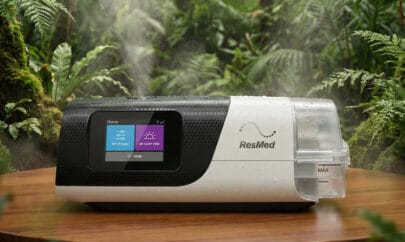
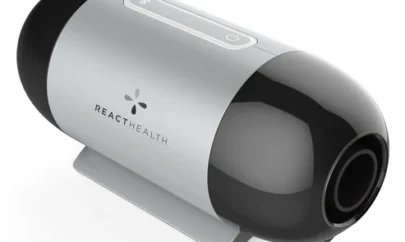
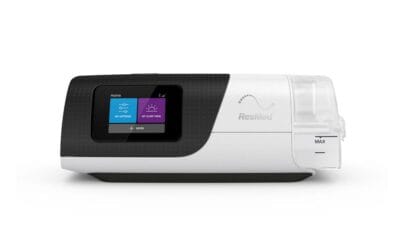
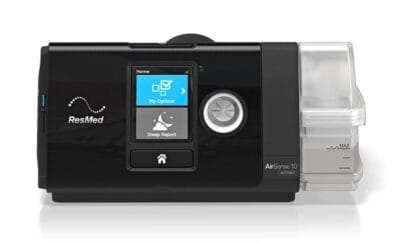
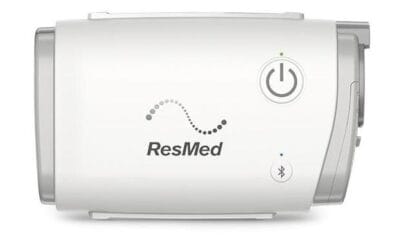
Automatic positive airway pressure (APAP) machines are used in the management of sleep disorders such as obstructive sleep apnea. They are designed to keep your airway open while you sleep by delivering different levels of air pressure to meet your breathing requirements. They are used to improve sleep quality and maintain healthy oxygen levels throughout the night.
As it is such an important piece of equipment, proper APAP machine maintenance is vital. Regular cleaning and maintenance ensure your machine operates efficiently, providing consistent airway pressure to keep your airway open throughout the night.
Without proper maintenance, dirt, oils, bacteria, and mineral build up can accumulate in parts like the mask, hose, and water chamber. This can lead to health risks or mechanical faults. Also, routine care extends the lifespan of your APAP machine and its components, preventing unnecessary replacements and keeping your therapy on track.
By maintaining a consistent APAP cleaning schedule and implementing APAP cleaning hacks, you can safeguard your health as well as the functionality of your sleep apnea equipment, making it a vital habit in your overall health routine.
Step-by-Step Cleaning Process for Your APAP Machine
Disassembling and Initial Cleaning
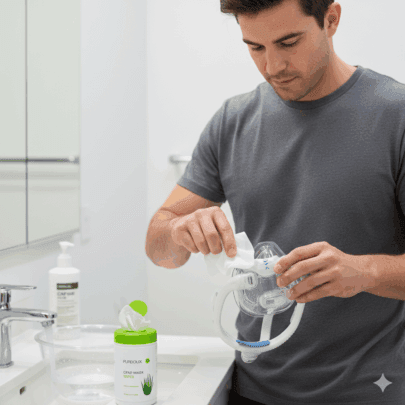
Start by unplugging your APAP machine to ensure safety during cleaning. Carefully disconnect the mask, hose, and humidifier chamber from the device. Most APAP masks disassemble into three parts: the cushion, frame, and headgear, so separate these components. This will allow thorough cleaning and make it easier to dry the parts.
Remember to detach the air hose and remove any water remaining in the humidifier before proceeding. Do not submerge the machine itself. Wash the removable parts and gently wipe the device’s exterior with a damp cloth if necessary.
Weekly Cleaning of the Mask and Hose
Washing the supplies weekly is recommended. Soak the mask components separately in warm water mixed with mild soap, carefully removing oils and debris that accumulate from skin contact. Pay special attention to the mask cushion and headgear, as these areas attract oils that can degrade material and promote microbial growth. Also note if your cushion is designed with a foam layer. Foam cushions are not to be submerged in water; simply wipe them carefully with a clean, damp cloth, baby wipe or CPAP wipe. Including these APAP mask cleaning tips in your maintenance ensures cleanliness and durability.
Submerge the hose completely in warm, soapy water, ensuring the inside fills to dissolve any buildup that could restrict airflow. For hoses with electrical features, such as heated tubing, follow the manufacturer’s recommendations carefully.
Rinse all parts thoroughly with clean water to remove soap residue and allow them to air dry away from direct sunlight, ideally on a towel or hanging from a shower rod.
Cleansing the Humidifier Chamber
The humidifier water chamber requires both routine emptying and periodic deep cleaning. After emptying any remaining water daily, soak the chamber weekly in a solution of equal parts warm water and white vinegar for 30 to 60 minutes to sanitize and preserve its functionality. This is an essential step in APAP water chamber cleaning. It helps eliminate mineral deposits and bacteria.
Following the soak, wash it with warm, soapy water, rinse thoroughly, and dry it completely out of sunlight to prevent degradation. Using distilled water in the chamber reduces build up and helps maintain optimal humidifier function over time.
Best Practices for APAP Maintenance
Regular Replacement of Filters and Components
It is important to replace filters and components regularly for proper functionality. Reusable foam filters should be cleaned weekly and replaced every three to six months, depending on wear and tear, and exposure to factors like pets, smoke, or pollution. Disposable filters need replacement more regularly, approximately every two weeks.
Following APAP machine filter replacement guidelines is key to preventing airflow blockages and contamination. Regularly replacing filters prevents contaminants from entering your airway and protects your machine’s internal components from dust and debris, which helps extend the life of your device.
Other components should be replaced every three to six months depending on wear and tear. You should also look out for any signs of visible damage which may affect the overall function of your machine.
Ensuring Optimal Machine Performance
As well as cleaning and replacing the parts of your machine on a regular basis, maintaining optimal performance requires careful handling and storage of your machine. Avoid exposing your APAP machine to extreme temperatures or direct sunlight, and always unplug the machine during cleaning to safeguard its electronic components. Regularly inspect the mask, hose, and humidifier for cracks or leaks, as these can compromise air pressure effectiveness.
Following APAP machine storage tips ensures the longevity of your device.
Using distilled water in the humidifier chamber helps prevent mineral build up, which can negatively impact performance over time. It is also important to follow the manufacturer’s specific maintenance guidelines and to monitor your device for unusual noises or error messages.
Incorporating these APAP machine upkeep practices and performing weekly occasional APAP machine deep cleaning will help you identify and address issues promptly, ensuring consistent and effective therapy.
Additional Tips and Hacks for Long-Term Care
Using Protective Covers and Clever Placement
One effective way to safeguard your APAP machine is by using a protective dust cover when it’s not in use. These covers shield your device from dust, pet dander, and other airborne particles that could accumulate and degrade internal components over time.
Placing your machine on a stable, flat surface, such as a silicone protector mat, can also help reduce noise and protect the device from accidental spills or scratches. Avoid exposing your APAP to direct sunlight or extreme temperatures by storing it in a clean, dry, and shaded location.
Using these simple protection strategies enhances your APAP machine care and helps maintain its hygiene and longevity.
Keeping it Clean During Travel
Traveling with your APAP machine requires special attention to maintain its cleanliness and functionality. Always use a durable, well-padded travel case designed specifically for CPAP or APAP devices to protect the machine and its parts from damage. Before packing, make sure all components are clean and dry to prevent mold or bacteria growth while on the road.
Consider packing extra mask cushions and filters to replace used parts if your trip is long. When away from home, store the machine in a clean, dust-free environment and avoid sealing damp components in plastic bags, which can trap moisture and promote microbial growth.
Following these APAP machine hygiene tips during travel safeguards your therapy and extends the life of your equipment no matter where you go.
Commit to Regular Upkeep
APAP machines are used in the management of sleep apnea. They enable uninterrupted breathing during sleep, to improve sleep quality, and maintain healthy oxygen levels throughout the night, for good health and well-being. It is a very important device therefore it needs to be cleaned and maintained regularly according to manufacturer’s guidelines. This will help your machine operate effectively and prevent any interruptions to your therapy.
Regular cleaning and good maintenance involves routinely replacing filters and worn-out components, thoroughly cleaning the mask, hose, and humidifier chamber, as well as taking steps to protect your device during storage and travel. By following an APAP cleaning and maintenance guide, as well as APAP sanitizing methods, you can maintain optimal performance while safeguarding your respiratory health.
Regular cleaning and maintenance will help you enjoy uninterrupted sleep apnea therapy and extend the lifespan and cleanliness of your APAP equipment.