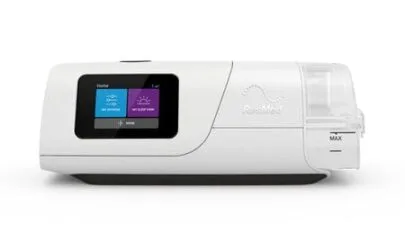
BiPAP Therapy for High-Pressure Sleep Apnea
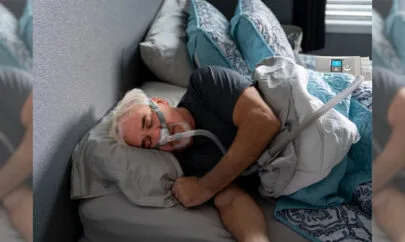
Sleep apnea is a serious sleep disorder which can affect patients of all ages and result in life-threatening health complications if left untreated. There are different types of sleep apnea including obstructive sleep apnea (OSA) and central sleep apnea (CSA). Patients who suffer from these disorders require the use of a positive airway pressure (PAP) machine which delivers air pressure through the nose or mouth to keep the airway open during sleep. Some patients require low levels of air pressure for mild symptoms while patients with more severe symptoms may require higher pressure levels to keep their airway open throughout the night.
If you’re exploring options for managing high-pressure sleep apnea, understanding BiLevel therapy is essential. Bilevel positive airway pressure is a specialized sleep therapy that provides two distinct pressure levels: a higher pressure during inhalation and a lower pressure during exhalation.
This dual-pressure system is designed to offer comfort for sleep apnea patients who require higher than average air pressure unlike the continuous, single-level pressure of CPAP machines, BiLevel therapy can be more comfortable as it reduces the effort needed to exhale against pressure.
This makes it an effective solution for patients with severe OSA or those who have difficulty tolerating high CPAP pressures. When comparing BiLevel vs. CPAP comfort, BiLevel therapy caters to patients with higher pressure needs, providing them with greater treatment adaptability.
As you consider the benefits of BiLevel therapy for severe sleep apnea or for high-pressure sleep apnea, understanding how the machine provides pressure support and respiratory relief can help you to make informed decisions about your treatment.
Exploring BiLevel machine benefits, particularly for patients struggling with CPAP at high pressure settings, can enhance your therapy experience and overall adherence to the treatment.
Understanding BiLevel Therapy and Its Advantages
What is BiLevel Therapy?
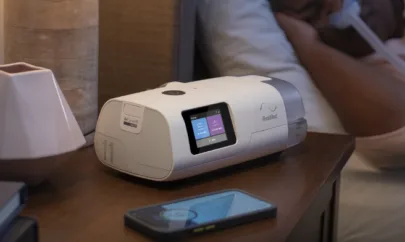
A Bilevel positive airway pressure device is a type of non-invasive ventilation that delivers two distinct levels of air pressure: a higher inspiratory positive airway pressure (IPAP) and a lower expiratory positive airway pressure (EPAP). This means greater pressure when you breathe in and lower pressure when you breathe out, helping your lungs expand more efficiently and reducing the effort required to breathe.
Unlike CPAP machines, which maintain a constant pressure throughout the breathing cycle, a BiLevel automatically adjusts to your breathing pattern.
This makes BiLevel therapy particularly beneficial for conditions requiring additional respiratory support, such as severe sleep apnea and certain pulmonary diseases. The functionality of the device not only provides additional respiratory support, it is also more effective in maintaining healthy blood oxygen levels and the necessary removal of carbon dioxide from the body.
Benefits of BiLevel Therapy for High-Pressure Needs
For patients needing higher airway pressures, BiLevel therapy offers several advantages that enhance both comfort and effectiveness. By differentiating between inhalation and exhalation pressures, BiLevel makes it easier to breathe out against the lower expiratory pressure. This is useful for individuals who find high CPAP pressures uncomfortable or difficult to tolerate.
The difference in BiLevel vs. CPAP high pressure settings illustrate why BiLevel is often preferred by patients who need enhanced support. BiPAP comfort features minimize feelings of breathlessness or airway resistance, which are common with continuous high-pressure CPAP therapy. When considering BiPAP for difficult CPAP patients, these comfort-enhancing elements play a critical role in ensuring successful treatment.
The pressure support provided by BiPAP increases tidal volume, which promotes carbon dioxide removal from the lungs. This is beneficial for individuals with respiratory conditions such as chronic obstructive pulmonary disease (COPD) or obesity hypoventilation syndrome.
Enhanced ventilation improves oxygenation and reduces the work of breathing. Comfort-enhancing features like adjustable ramp times, heated humidifiers, and pressure relief during exhalation are also designed to improve the overall therapy experience, especially for patients who need high-pressure support.
BiPAP vs. CPAP for High-Pressure Settings
Comfort Issues with High-Pressure CPAP
When using CPAP machines at high-pressure settings, many people experience discomfort because CPAP delivers a steady, continuous air pressure regardless of whether you are inhaling or exhaling. This constant high pressure can cause breathlessness or a sense of resistance that disrupts sleep. Patients may have difficulty falling asleep, frequent awakenings, or even discontinuation of therapy altogether. This is because the constant pressure can worsen discomfort and reduce overall adherence to treatment, especially in patients with severe OSA or CSA.
Why BiPAP Might Be a More Comfortable Option
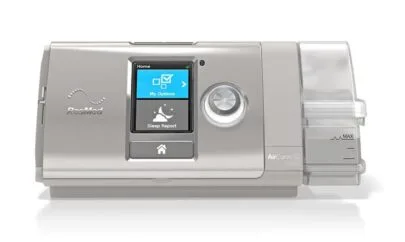
BiPAP machines are designed to address these comfort issues by providing two separate pressure levels: a higher inspiratory positive airway pressure (IPAP) and a lower expiratory positive airway pressure (EPAP). This means that while inhaling, you receive a strong flow of air to keep your airway open, but when exhaling, the pressure drops, making breathing out easier and more natural. This helps reduce the sensation of “breathing against the machine,” often associated with CPAP therapy.
For people needing BiPAP therapy for high-pressure sleep apnea or those who have difficulty tolerating constant high pressures, this pressure support can significantly improve comfort and lead to better compliance with their sleep apnea treatment. The contrast of BiPAP vs. CPAP for severe apnea emphasizes how tailored pressure delivery can make a substantial difference in patient outcomes.
Many BiPAP devices include BiPAP comfort features such as adjustable ramp times and expiratory pressure relief, for better quality sleep and enhanced user experience. BiPAP therapy may be more suitable for complex respiratory conditions, offering customizable pressure settings and backup respiratory rates for patients with central apnea or hypoventilation associated with their sleep disorder.
These advantages make BiPAP a preferred option for high-pressure users who find CPAP uncomfortable or insufficient. When comparing BiPAP comfort vs. CPAP comfort levels, the adaptability of BiPAP systems makes it a superior choice for many.
Real-World Experiences and Clinical Evidence
Patient Testimonials
Many patients who transition from CPAP to BiPAP report a significant improvement in comfort, particularly those who require higher pressure settings. Patients find BiPAP comfort for sleep apnea minimizes the effort needed to exhale against pressure, resulting in more restful sleep and reduced issues with mask intolerance. They find that BiPAP comfort tips, such as adjusting ramp times and humidification levels, further enhance the experience.
Patients dealing with CSA or respiratory conditions such as COPD often highlight how BiPAP enhances their breathing ease during sleep. These firsthand accounts underscore better adherence to therapy, reduced breathlessness, and greater satisfaction with nighttime treatment when compared to continuous high-pressure CPAP devices.
Studies and Research Findings
Clinical research validates the advantages of BiPAP therapy for individuals with high-pressure requirements or complex breathing disorders. Studies show that BiPAP’s dual-pressure functionality significantly improves patient comfort by reducing the effort needed for exhalation, leading to better compliance and improved treatment outcomes.
Research published in clinical sleep medicine journals indicates that BiPAP is particularly beneficial for patients with CSA, obesity hypoventilation syndrome, or those who struggle with CPAP due to high-pressure settings. They show that the adjustable pressure settings and advanced features of BiPAP machines contribute to enhanced oxygenation, improved carbon dioxide clearance, and an overall increase in comfort during sleep therapy compared to CPAP.
Talk to Your Doctor
For patients dealing with high-pressure sleep apnea, BiPAP therapy provides significant comfort benefits compared to traditional CPAP machines. It does this by offering two adjustable pressure levels—one for inhalation and another for exhalation.
This dual pressure system reduces the effort required to breathe out, making therapy more manageable, particularly for individuals with severe apnea or complex respiratory conditions.
Both clinical studies and patient feedback show improved adherence and greater breathing comfort with BiPAP, especially in demanding high-pressure scenarios. The BiPAP therapy advantages outweigh the challenges often associated with continuous high-pressure CPAP therapy.
If you struggle with CPAP at higher pressure settings, consulting a sleep specialist about BiPAP for better breathing could greatly enhance your sleep quality and therapy effectiveness.