APAP Side Effects: Are They Different from CPAP?
If you are managing your sleep apnea symptoms, you may have opted to use an automatic positive airway pressure (APAP)

Founder and CEO, SleepQuest, Inc.
SleepQuest’s founder and CEO is a longtime sleep apnea sufferer and understands the physical and emotional hardship this disease can cause.
Robert has spent 30 years in the healthcare industry. In 1994, he had the vision to create SleepQuest’s care management program for patients with obstructive sleep apnea (OSA).
Robert is recognized as an industry expert. Various industry trade journals, healthcare research analysts and manufacturers of sleep diagnostics and treatment equipment have interviewed him extensively, using his expertise for reports on the Sleep Industry.
If you are managing your sleep apnea symptoms, you may have opted to use an automatic positive airway pressure (APAP)
Managing obstructive sleep apnea with a CPAP (Continuous Positive Airway Pressure) device can be life-changing, but some patients wonder if
Using a CPAP machine for obstructive sleep apnea is crucial for improving your sleep and health, but it can sometimes
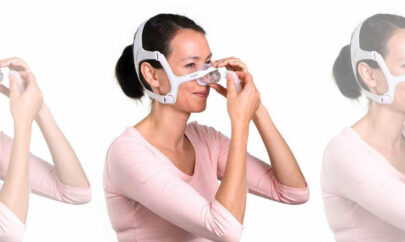
Choosing the right CPAP mask is essential for effective sleep apnea therapy. Ill-fitting masks can lead to discomfort, leaks, and
If you’re experiencing chronic breathing problems or fatigue, it could be linked to hypercapnia – a condition where excessive carbon
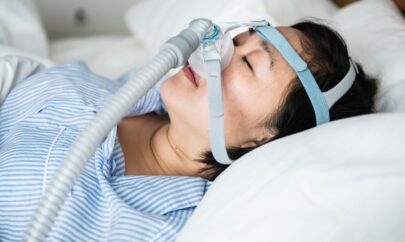
Automatic Positive Airway Pressure (APAP) titration is a valuable method for determining optimal pressure settings in people with sleep apnea.

Although CPAP is usually the first positive airway pressure device prescribed to treat obstructive sleep apnea, not everyone can tolerate
The pain and discomfort caused by arthritis can make falling asleep and staying asleep more difficult. Indeed, it is estimated
Sleep apnea is a disorder that increases the risk of developing further serious health conditions when left uncontrolled. Diagnosis
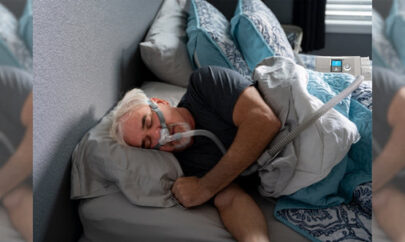
Continuous positive airway pressure (CPAP), BiPAP and APAP therapy can effectively reduce the symptoms of sleep apnea. This improves the quality of your sleep and reduces the risk of developing serious health issues linked to sleep apnea.
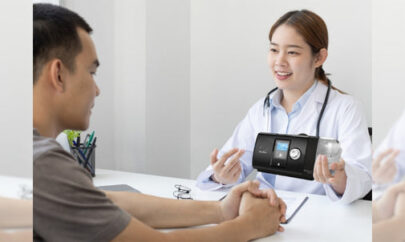
APAP is used to treat obstructive sleep apnea, a disorder where the airways become blocked as the muscles in the throat relax when you sleep.
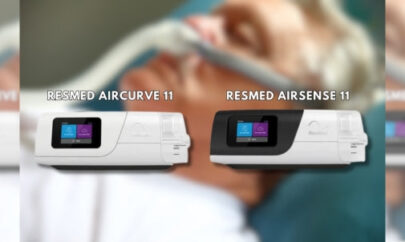
Various types of PAP therapy are available to treat sleep apnea. What’s better for you when weighing up CPAP vs BiPAP vs APAP?
BiPAP is a form of ventilator that delivers air through a mask to help you breathe. It is a non-invasive treatment most associated with treating sleep apnea but can be used with other health conditions that cause breathing difficulties.
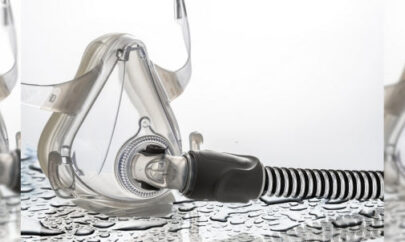
Here are some strategies to avoid moisture accumulating and dripping down into your mask if you’re experiencing CPAP rainout even with a heated hose.
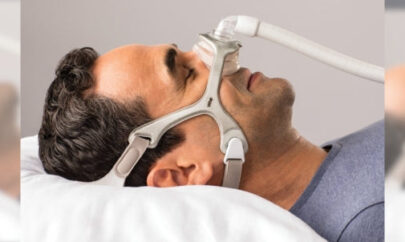
A comfortable mask with a secure seal is key to sticking to your APAP, BiPAP or CPAP therapy. Learn how to maximize comfort with the Respironics Wisp nasal CPAP mask.